Gaming Knowledge Matters More Than You Think
Published: February 13, 2026
1. The Strategic Edge of Gaming
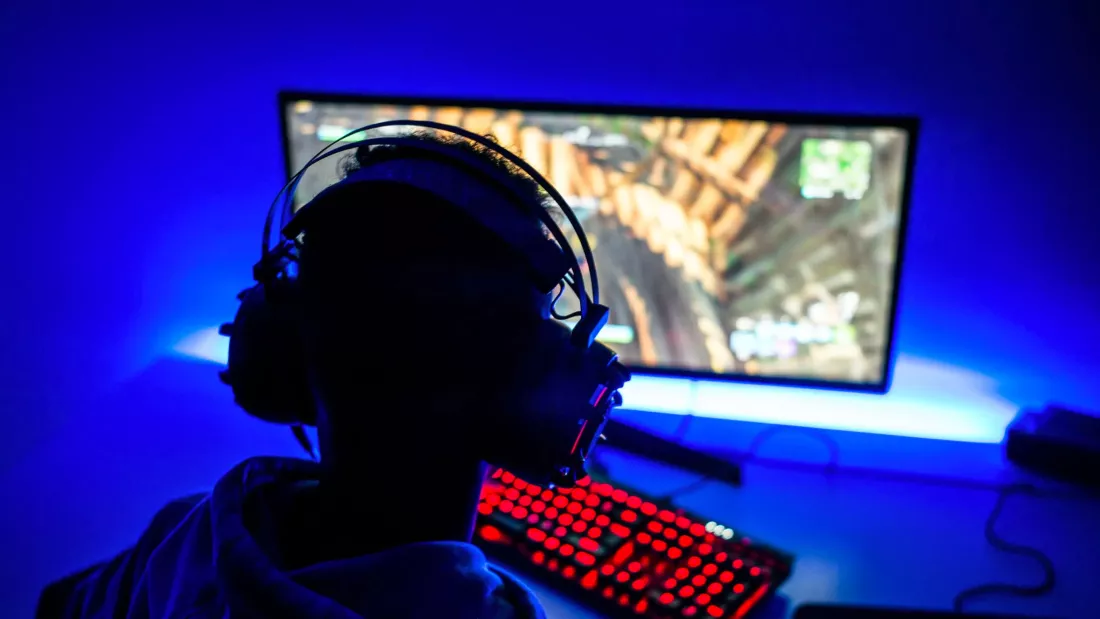
Gaming is more than just entertainment. Whether you're into strategy games, RPGs, or first-person shooters, the knowledge you gain can improve problem-solving skills, enhance memory, and strengthen decision-making abilities. Understanding game mechanics and strategies often translates into real-life cognitive advantages.
2. Community and Knowledge Sharing
Modern gaming is deeply social. Players learn from forums, Twitch streams, and YouTube tutorials. Sharing insights and collaborating in communities builds critical thinking and communication skills. The more you engage, the sharper your understanding of complex systems becomes.
3. Applying Game Knowledge in Real Life
Gamers often apply strategic thinking from games to real-world challenges. Project planning, resource management, and rapid problem-solving can all benefit from gaming experience. Some studies even show that gamers outperform non-gamers in multitasking and cognitive flexibility.
4. E-Sports and Career Opportunities
As the e-sports industry grows, gaming knowledge becomes a professional asset. Understanding game mechanics, trends, and strategies can lead to careers in competitive gaming, streaming, content creation, coaching, or even game development. Knowledge is power—both in-game and in your career.
5. Continuous Learning
Games are constantly evolving, which keeps players in a state of continuous learning. Mastering new updates, mechanics, and strategies challenges your brain and encourages adaptability. Staying up-to-date with gaming trends sharpens analytical and learning skills.